Movement For Your Mood
- Sam Morley

- Oct 17, 2025
- 3 min read
Updated: Nov 5, 2025
Article Review: “Effect of exercise for depression: systematic review and network meta-analysis of randomized controlled trials”
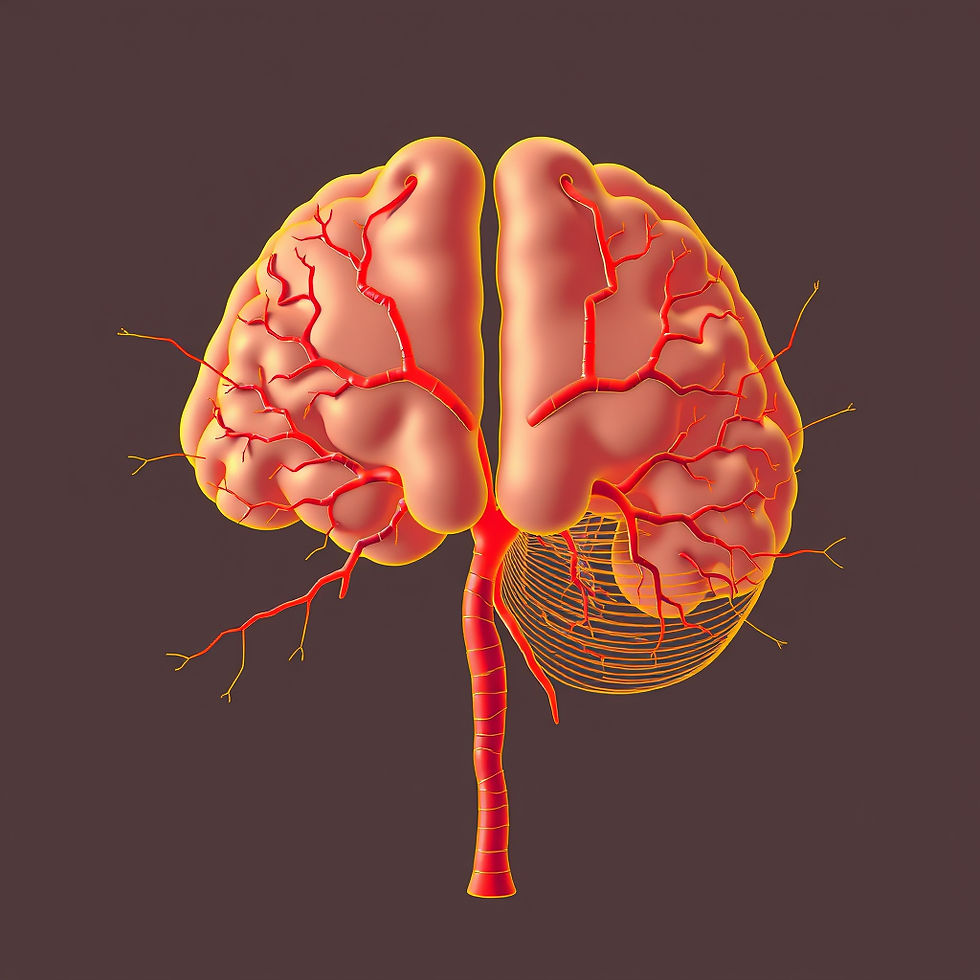
Have you ever finished up a run or a HIIT workout and sense a sudden pang of adrenaline – as if you could conquer anything? Typically, when most individuals think about mood and addressing anxiety or depression, it is an automatic thought to think “medication” or “therapy.” Movement is often overlooked and although it shouldn’t be used as a monotherapuetic approach, its evidence as a tool as a synergistic approach to mood is vast.
Let’s explore how this works - the science (in a simpler way) and how we can utilize movement in a sustainable and healthy way for our mental health. In the integrative wellness world, we explore the common tie between hormones and how they communicate with different systems of the body. And yes – mood is generated from hormones.
Hormones linked to our mood:
- Serotonin, dopamine, endorphins, and BDNF (Brain-Derived Neurotropic Factor)
Serotonin: You typically hear this as our “feel good” hormone. Most serotonin is produced in the gut (hello gut-brain connection) and regulated mood, appetite, and sleep. Exercise naturally boosts serotonin synthesis by increasing tryptophan uptake in the brain, helping reduce anxiety and depression symptoms.
Dopamine: You may have heard of this hormone as the “motivator” hormone. It helps enhance focus and drive. Exercise can help enhance this dopamine release which in turn helps counter a flat affect or low motivation.
Endorphins: Or our body’s “natural painkillers” bind to opioid receptors, which both reduce physical discomfort and creates a feeling of euphoria and calm. That euphoric feeling after a run also known as “runner’s high”? Those are endorphins!
BDNF (or brain-derived neurotropic factor): is talked about a bit less but has just as much of an effect on our mood and is directly correlated with movement than many other hormones. BDNF supports the growth of our neurons, which enhances our resilience to stress and improves cognitive function. Antidepressants have been shown to demonstrate the same mechanisms which exercise does in releasing BDNF in the brain through activation of glutamate-related pathways. It plays a dynamic role in neuroplasticity. Ultimately, the more we work out, the more we are working out our brain, and activating small, yet noticeable changes for our brains. Remember: your mind is a muscle too!
When we move our bodies, through ANY type of movement (yes walking counts too!), there is a communication line that opens between our neurochemistry, hormones, and inflammatory pathways in the body.
In the meta-analysis reviewed (which is a group of larger published studies), researchers aimed to identify which dose, intensity, and types of exercise are most effective in reducing depression. The standardized results came across a variety of evidence-based depression scales, such as the Beck and Hamilton scores to create comparisons. Here are the ultimate takeaways from this meta-analysis:
Exercise consistently reduced depressive symptoms compared to those who did not exercise.
Various types of exercise have similar benefits (aerobic, resistance, and mind-body movement like yoga); there is no one size fits all approach and movement should not feel like punishment for our clients.
Dosing and time do matter, but overall consistency is the most important.
Higher-volume exercise often yields stronger improvement
Exercise also benefits sleep, stress resilience, and overall health, which can further support mood regulation.
If you’re asking yourself: Where do I start? Start here! If you are new to exercise, think that you “struggle with motivation”, or if you are looking for ways to improve your mood/manage symptoms of depression, start SMALL. Research shows even 10-20 minutes a few times a week can make a measurable difference in both mood and energy if maintained over time.
Which one fits you?:
Mind-body movement (yoga, stretching, tai chi)
Walking (A boost if it is outside – Vitamin D from the sun regulates serotonin)
Light resistance or body-weight movement: bands, dumbbells, or short circuits focused on large muscle groups (helps release dopamine and endorphins)
Joyful movement: Dancing in the kitchen (that counts!), intramurals, chasing the dog… get creative here.

A Gentle Word of Caution: For those in recovery from eating disorders or exercise dependence, it is essential to build a healthy relationship with movement before using it as therapy. It should ultimately come from a place of care rather than compulsion.
Other resources: PMID: PMC11642200


Comments